
Common Misconceptions About Vegan Food: Debunked by Experts
NB
Vegan Food Lacks Protein
One of the most common misconceptions about vegan food is that it lacks sufficient protein. However, this couldn't be further from the truth. Experts explain that many plant-based foods are rich in protein. Foods such as lentils, chickpeas, tofu, and quinoa provide ample protein to meet dietary needs.

Additionally, combining different plant proteins can create a complete amino acid profile. For instance, eating rice and beans together supplies all essential amino acids, making it a potent protein source.
Plant-Based Diets and Nutritional Deficiency
It's often believed that a vegan diet leads to nutritional deficiencies, particularly in vitamin B12, iron, and calcium. While it's true that these nutrients require attention, a well-planned vegan diet can easily meet these needs.
Experts suggest incorporating fortified foods or supplements for B12 and choosing iron-rich foods like spinach and lentils. Calcium can be sourced from fortified plant milks and leafy greens such as kale.
Vegan Food Is Bland and Uninteresting
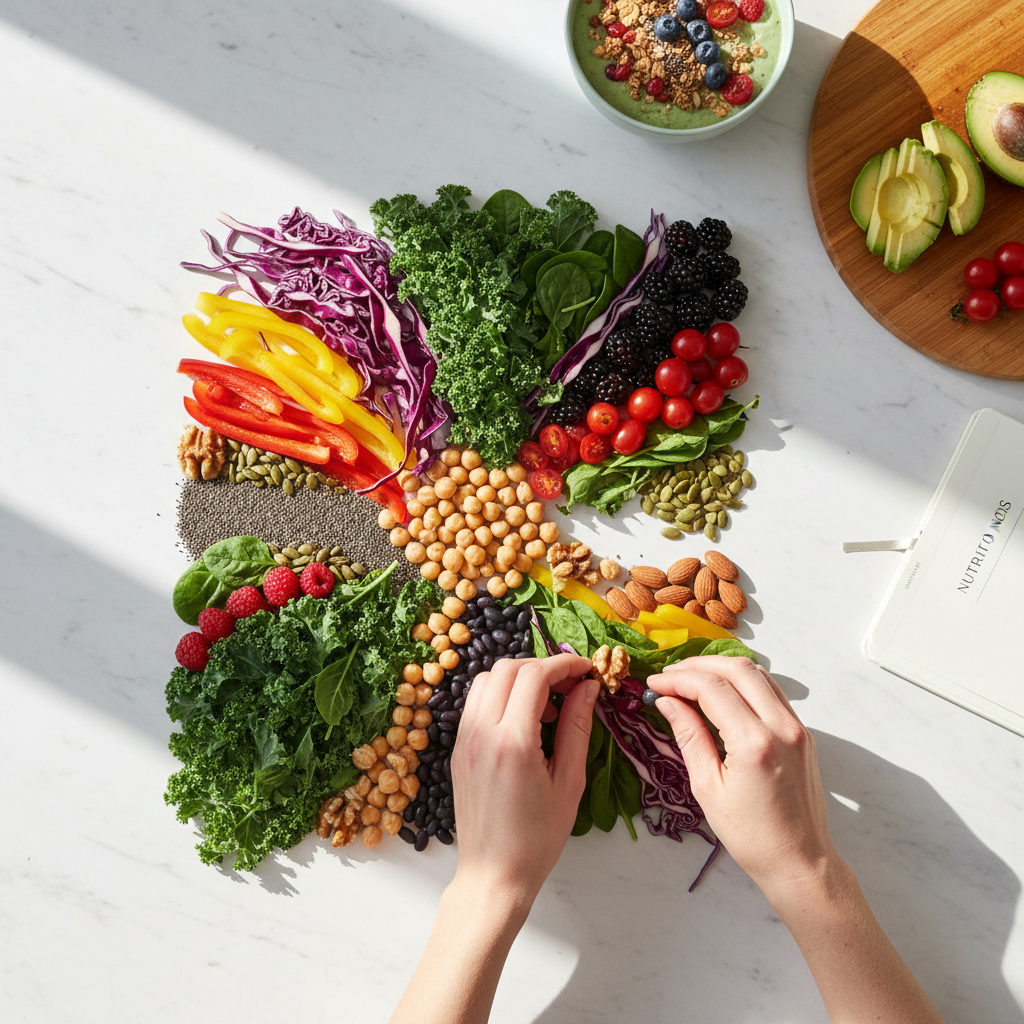
A major myth surrounding vegan food is that it lacks flavor. This stereotype is debunked by culinary experts who emphasize the versatility and richness of plant-based ingredients. Vegan cooking often uses a variety of spices, herbs, and international cuisines to create vibrant and satisfying meals.
From zesty curries to hearty stews, vegan dishes can be as flavorful and diverse as their non-vegan counterparts. Experimentation with textures and flavors often results in delightful culinary experiences.
Veganism Is Expensive
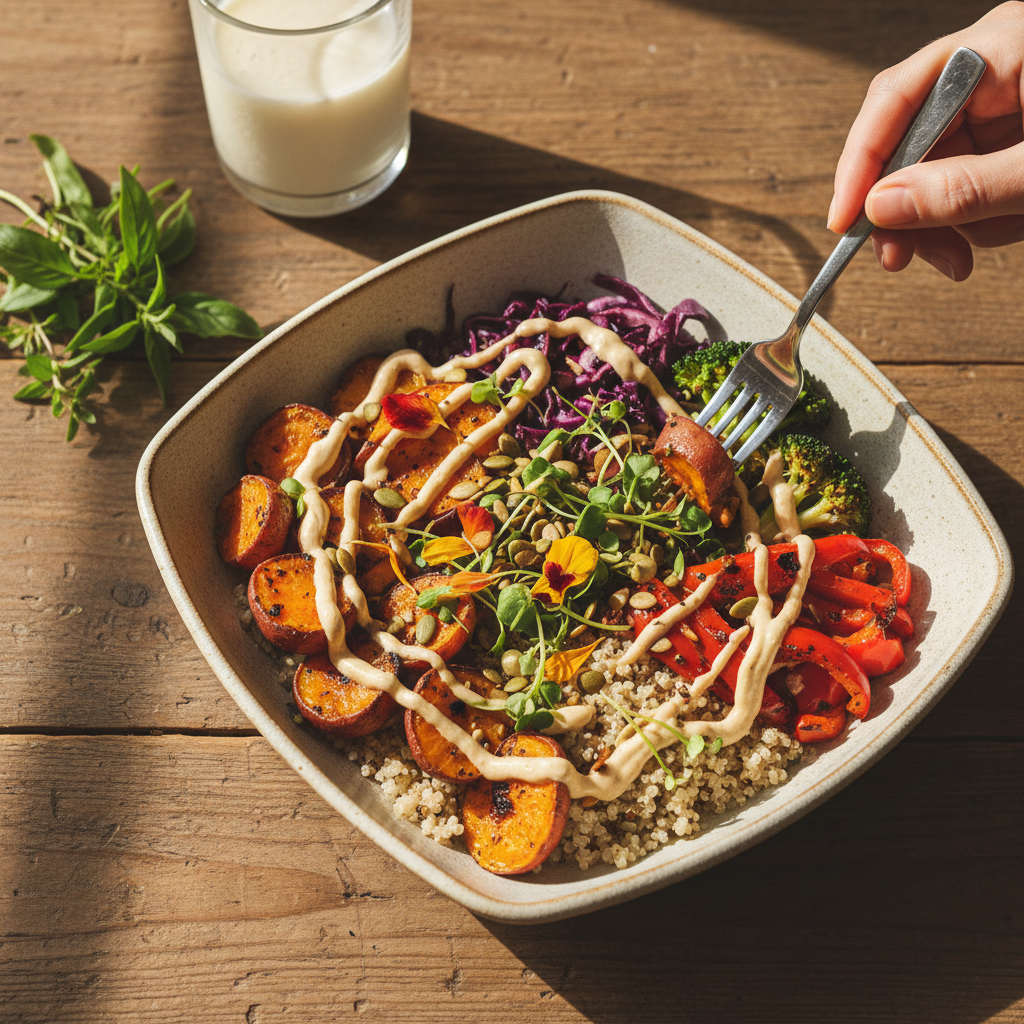
Another common misconception is that maintaining a vegan lifestyle is costly. While some specialty vegan products can be expensive, basic vegan staples such as grains, beans, and seasonal fruits and vegetables are generally affordable.
Budget-friendly meal planning and seasonal shopping can make veganism accessible to a wide range of budgets. Many communities also offer bulk buying options and local markets for cost-effective shopping.
Vegan Food Is Not Satisfying
Some people believe that vegan food is not filling or satisfying. However, this idea often stems from unfamiliarity with plant-based ingredients. Foods like avocados, nuts, seeds, and whole grains provide substantial satiety due to their healthy fats and fiber content.
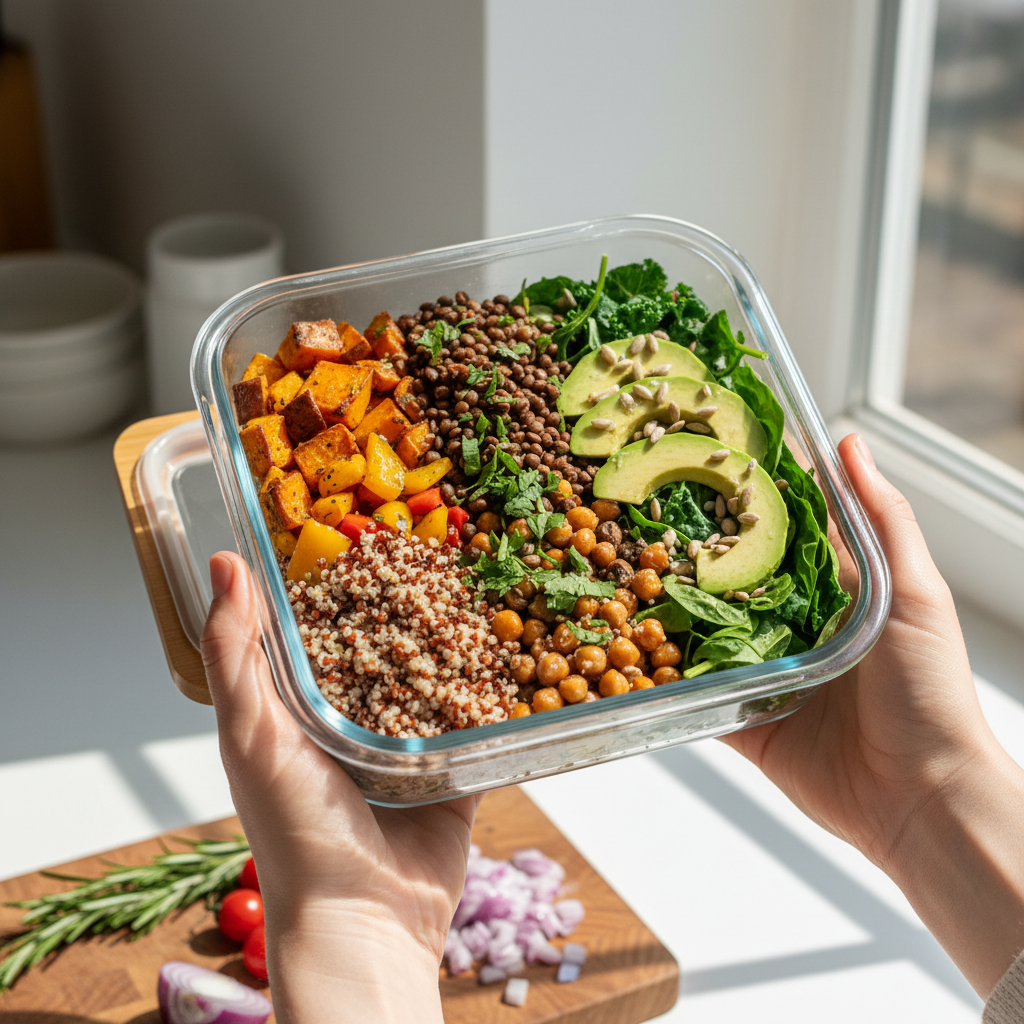
Experts highlight the importance of balanced meals, which include a variety of nutrients to ensure fullness and satisfaction.
All Vegan Food Is Healthy
It's a misconception that all vegan food is inherently healthy. While a plant-based diet can be highly nutritious, it also includes processed foods high in sugar and unhealthy fats. Experts advise focusing on whole, minimally processed foods for optimal health benefits.
Reading labels and being mindful of ingredient lists can help in making healthier choices within a vegan diet.