
Comparing Vegan and Vegetarian Options: What’s Best for You?
NB
Understanding Vegan and Vegetarian Diets
Choosing between a vegan and vegetarian diet can be a significant lifestyle decision. Both diets promote plant-based eating but differ in their approach to animal products. Understanding these differences can help you decide which aligns best with your health goals and ethical beliefs.

What is a Vegetarian Diet?
A vegetarian diet excludes meat, fish, and poultry but often includes dairy products and eggs. There are several variations, such as:
- Lacto-vegetarians: Include dairy but avoid eggs.
- Ovo-vegetarians: Include eggs but avoid dairy.
- Lacto-ovo vegetarians: Include both dairy and eggs.
Vegetarians typically focus on a variety of plant-based foods, including fruits, vegetables, grains, nuts, and seeds.
Exploring a Vegan Diet
A vegan diet takes vegetarianism a step further by eliminating all animal products, including dairy, eggs, and honey. Vegans rely entirely on plant-based foods for their nutritional needs. This diet requires careful planning to ensure adequate intake of essential nutrients like protein, vitamin B12, iron, and omega-3 fatty acids.
Health Benefits and Considerations
Both vegan and vegetarian diets offer numerous health benefits when well-planned. They are often associated with lower risks of heart disease, hypertension, type 2 diabetes, and certain cancers. However, it's crucial to ensure balanced nutrition to avoid potential deficiencies.
Nutritional Challenges
Vegetarians may find it easier to meet their nutritional needs due to the inclusion of dairy and eggs. Vegans, on the other hand, need to pay closer attention to nutrient sources:
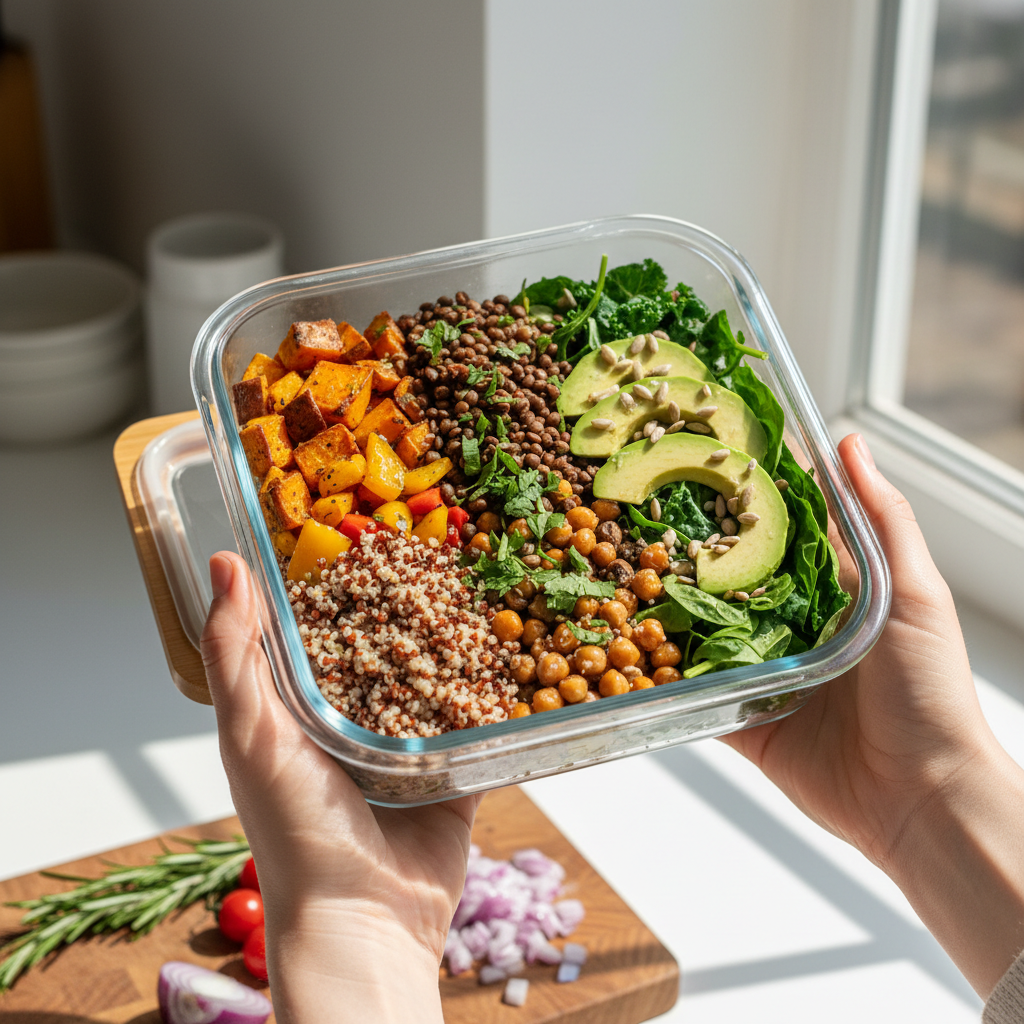
- Protein: Legumes, tofu, quinoa, and nuts are excellent sources.
- Vitamin B12: Fortified foods or supplements are recommended.
- Iron: Leafy greens, lentils, and fortified cereals can help meet iron needs.

Ethical and Environmental Considerations
For many, the choice between vegan and vegetarian diets extends beyond health. Ethical concerns about animal welfare and environmental impact play a significant role. Veganism is often favored by those who wish to minimize harm to animals and reduce their carbon footprint.
Finding What Works for You
Choosing the right diet depends on personal values, health goals, and lifestyle. Both vegan and vegetarian diets can be adapted to suit individual needs. Consulting with a nutritionist or dietitian can provide personalized guidance to ensure a balanced and fulfilling diet.
In conclusion, whether you choose a vegan or vegetarian lifestyle, both offer the opportunity to embrace a healthier and more ethical way of living. By understanding the differences and benefits, you can make an informed decision that aligns with your values and health objectives.